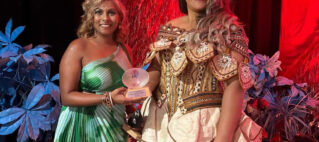
Fiji Hotel and Tourism Association, 10 September 2026 – I attended the CIDESCO World Congress in Nadi last week, surrounded by spa and wellness professionals from across the region, and left deeply impressed by how far this segment has advanced here in Fiji. CIDESCO – Comité International d’Esthétique et de Cosmétologie, recognised worldwide as the highest authority for beauty, wellness, and spa therapy education and certification was founded in 1946 and is headquartered in Zurich, Switzerland.
Fiji’s tourism industry already earns significantly from spa and wellness, now the second-highest contributor after accommodation and food and beverage, within total tourism earnings that reached nearly $3 billion last year. An increase of almost 11 percent from 2024.
What is striking is that this growth is not confined to five-star resorts. Investments and expansions are happening across medium and smaller properties, with a wide range of businesses benefiting from the sector’s multiplier effect. Spa and wellness have become embedded in every tier of our tourism product, from luxury corporate hotels to affordable lodgings, with many hotels and resorts nationwide offering massage or spa services in some form.
Yet what resonated most with me during the congress was something we do not highlight enough. The therapists are predominantly local women who hold a skill set with genuine export value – one we have only just begun to recognise and cultivate as an asset beyond our borders.
The comparison I kept coming back to is that Pacific Islanders are already recognised internationally as a preferred workforce in caring professions. Australia and New Zealand’s aged care sectors actively recruit our people, valuing a natural aptitude for empathy, patience and connection that shows up again and again in how our communities care for each other, long before it ever became a job title. That same reputation is a direct asset in the spa and wellness industry exploding with business opportunities around the country. The caring, connective touch our therapists are trained in, much of it rooted in practices most of us grew up with long before we ever called it an industry, has the same export value as the caregiving skills our aged care sector already sends abroad. The global wellness tourism market passed a trillion US dollars in 2025, with stress reduction now the leading reason travellers say they book a trip at all. Fiji has a workforce naturally suited to exactly that demand, and phenomenal space to grow it, if we are deliberate about recognising and building the pathway for it.
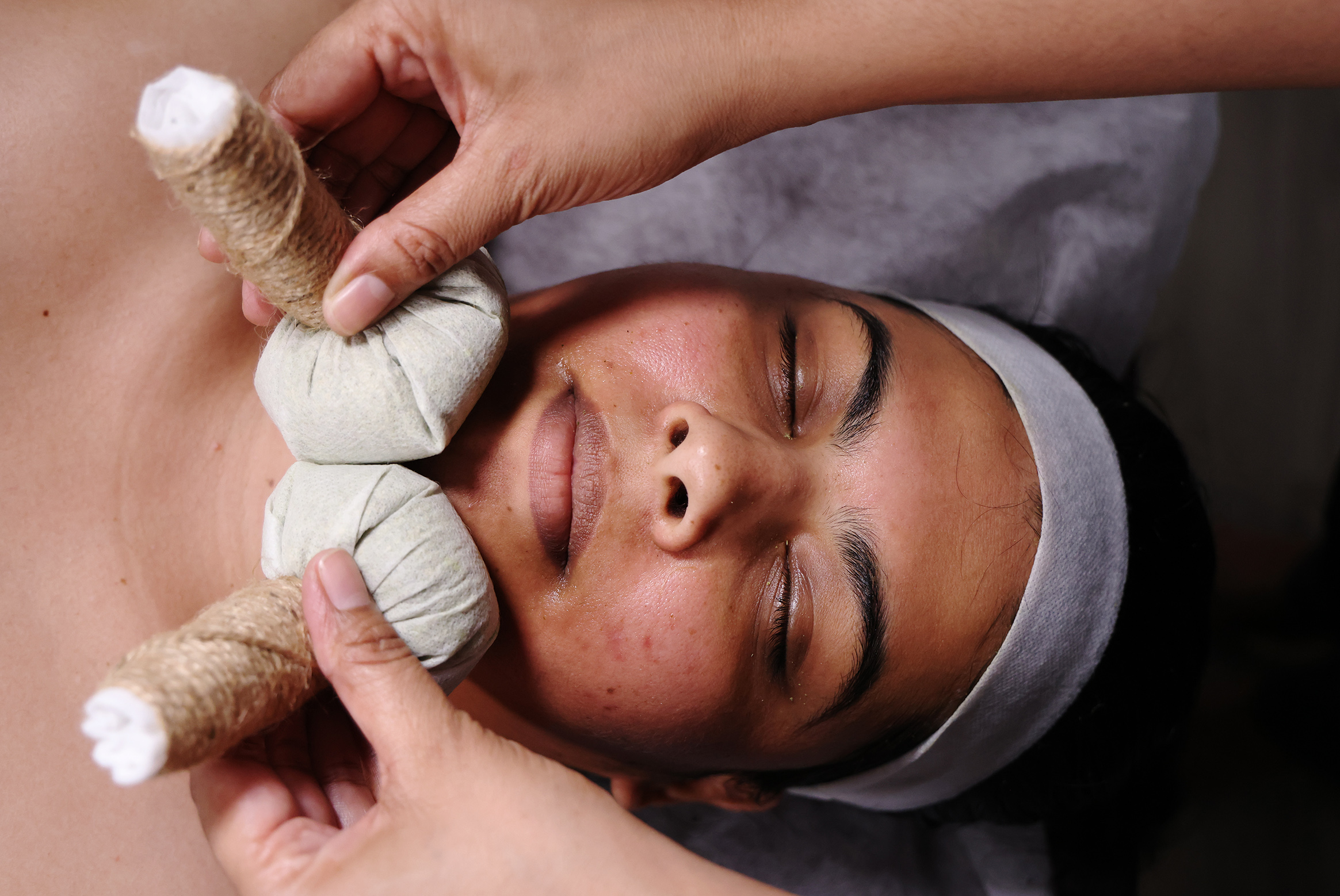
What makes Fiji’s spa and wellness workforce truly unique is not technique alone, but the origin of that technique. Consider the traditional bobo massage: built around coconut or dilo oil, rhythmic pressure, and sweeping strokes, practised in villages for generations long before it appeared on a resort spa menu. Historically, it was used to help people recover from illness and hard labour, woven into everyday family care – from new mothers and babies to injured workers who were treated to steaming baths, herbal medicine, and massage as part of healing rituals.
Lived, intergenerational knowledge passed down for generations – not franchised from a manual – is meeting the now significant demand for wellness tourism. A demand that is emerging as a dominant motivation, driven by the desire for physical recovery, mental rebalancing, emotional resilience, and meaningful connection to nature and culture.
That distinction is Fiji’s competitive edge. Destinations like Bali or Thailand, with vast marketing budgets, can replicate a treatment menu. But they cannot replicate four generations of practice behind each technique, infused with authenticity and genuine warmth. This heritage is one of the strongest assets we can offer the world. A wellness experience deeply rooted in culture, carried by people, and impossible to replicate its authenticity unless it is already in your DNA.
Qualifications like CIDESCO matter because they set an international benchmark for skill, safety, and professionalism in a sector where health and safety must be inseparable from care delivered through close, personal contact. Fiji is a small developing nation competing with giants. If we want investors, operators, and guests to trust the quality of care behind every treatment offered here, we must anchor our industry in recognised standards. That means internationally respected certifications or frameworks adapted and validated for Fiji that guarantee our therapists meet global expectations of safety, professionalism, and excellence.
The answer is not to replace what makes Fiji’s spa sector distinctive with an imported global template. It is to pair the two: a Pacific Islands-influenced, nature-based standard built around our own traditions of touch, connection, locally sourced oils, and healing, sitting alongside global certification rather than in place of it.
By adapting toward this blend, we create something far more powerful than either half alone. It is the combination that gives our therapists genuine career mobility, while giving Fiji a story no competitor can replicate; a wellness experience rooted in heritage yet validated by international standards.
This dual strength allows us to honour our cultural authenticity while meeting the expectations of global investors, operators, and guests. It is not just a model for spa tourism; it is a model for how small island nations can compete with credibility, pride, and distinction.There is already a powerful template for what this sector can become. Fijian-grown wellness and beauty brands from Pure Fiji to Nama Fiji have broken out of the resort gift shop and onto global shelves, proving that products developed from coconut, dilo, native botanicals and seaweed can stand proudly in international markets. That success shows the world that something born entirely of local practice can compete at scale when it can adapt to and meet international standards or guidelines.
Resorts have followed the same instinct on the guest-facing side, with purpose-built spas opening or expanding across major international and local brands, from large to small island resorts. This expansion signals a fundamental shift: wellness is now a reason to book Fiji, not an optional add-on to a beach holiday.
It reflects how far we have come from the days when Fiji’s tourism story was told almost exclusively through honeymoons, weddings, diving, and family travel. Today, wellness is not just part of the narrative – it is one of the strongest drivers of Fiji’s global appeal, a sector that blends heritage, authenticity, and world-class investment into a competitive advantage.
Our workforce is moving in the same direction. No longer an afterthought to the guest experience, it is emerging as a genuinely exportable skill set that is internationally credentialed, authentically rooted in this beautiful country we call home, and capable of giving Fijian therapists the same career mobility and global recognition that our caregivers already enjoy abroad.
This matters well beyond the resort gate. Spa and wellness already generate significant employment for women across Fiji, from therapists and beauty professionals to the wider hospitality roles that surround them. That is inclusive growth, reaching past hotel driveways into villages and community economies.
If we can help therapists, small operators, and beauty product suppliers succeed beyond the treatment room, then we’re on the right track – not just opening doors, but building more pathways. Pathways that connect local skill to global opportunity, that turn heritage into competitive advantage, and that ensure the benefits of wellness flow deep into our communities. That is how Fiji’s spa and wellness sector becomes not only a driver of tourism, but a force for empowerment, pride, and prosperity.
This sector did not appear because a policymaker decided it should. It grew out of something we already had – generations deep and inside our own communities that was recognised by tourism and provided a platform to grow. The task in front of us now is simply to take it to the next level, embrace or replicate global certification, and let our therapists carry it even further. A phenomenon that has already begun.
Fantasha Lockington – CEO, FHTA (Published in the Fiji Times on 10 September 2026)

Fiji Hotel and Tourism Association
The Voice of the Industry