
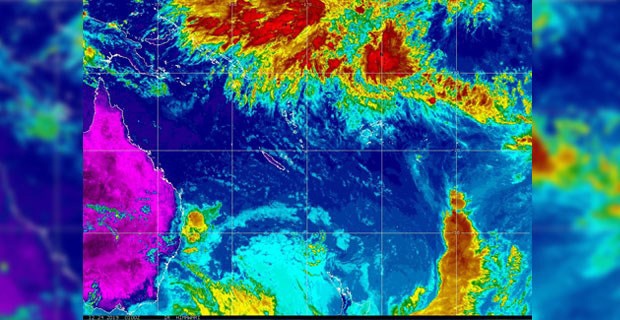
Fiji’s tourism industry is being advised to prepare for below-normal rainfall and cooler temperatures through to January 2027, as the Fiji Meteorological Service confirms a strengthening El Niño event across the tropical Pacific.
The Fiji Meteorological Service’s latest Climate Outlook, issued 31 July 2026, forecasts below-normal rainfall across all four divisions and Rotuma for August, for the August to October period, and again for November 2026 to January 2027. Maximum and minimum temperatures are also expected to run below normal across the Fiji Group, with near-normal conditions over Rotuma. Most global climate models suggest the current El Niño will strengthen to strong or very strong intensity and persist into early 2027.
For an industry built around water-dependent operations and outdoor visitor experiences, the outlook carries practical implications. Rainfall suppression tends to be greatest in Fiji’s Dry Zone, covering much of the Western and Central divisions where a large share of resorts and hotels are concentrated. Properties relying on rainwater tanks, bores or local catchments for potable water, irrigation or landscaping should factor extended dry conditions into their planning, particularly heading into the peak visitor season.
The forecast also touches the traditional cyclone season, which typically runs from November to April. El Niño conditions do not rule out tropical cyclones, but they do shift the balance toward drier conditions overall. The Fiji Meteorological Service cautions that no two El Niño events behave identically, and impacts on rainfall and temperature can still vary by location and timing.
There is a possible upside for visitor experience. Drier, sunnier conditions typically favour beach and outdoor tourism, and operators may see this reflected in guest activity levels over the outlook period. The trade-off is added pressure on water security and landscaping at a time when demand from both guests and communities is high.
FHTA is encouraging members, particularly those in the Western and Central divisions, to review water storage and contingency plans ahead of the coming months and to monitor the Fiji Meteorological Service’s monthly Climate Outlook bulletins for updates.
For more information, contact the Fiji Meteorological Service at climate@met.gov.fj or +679 672 4888.