Fiji Hotel and Tourism Association, 26 March 2026 – I have always believed that if tourism is to endure in the Pacific, then we must move beyond simply using the ocean as scenery and begin treating it as infrastructure worth protecting.
That realisation is what took the Fiji Hotel and Tourism Association to a regional workshop in Manila earlier this month, invited by the Asia Development Bank, where governments, insurers, scientists and development partners gathered to examine an idea that, until recently, would have sounded unusual in environmental circles: insuring coral reefs.
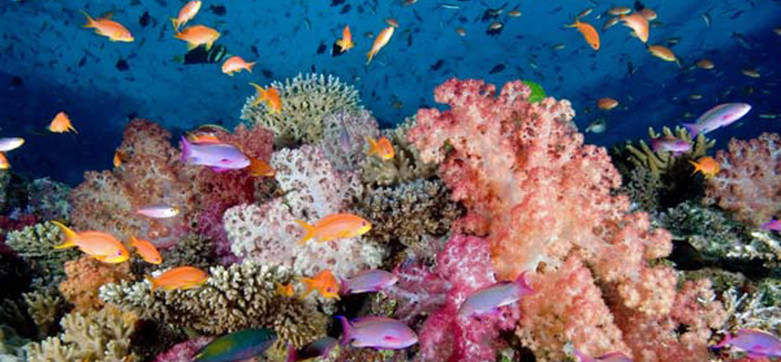
It may seem counterintuitive at first. Insurance is usually associated with buildings, vehicles or businesses. Yet reefs underpin an enormous share of the economic activity that takes place along tropical coastlines. When they are damaged, the consequences are immediate. Shorelines lose natural protection from waves and storm surge.
Fisheries decline. And for tourism destinations like Fiji, the very asset that attracts visitors begins to disappear.
Across the Pacific and Southeast Asia, that reality is becoming increasingly difficult to ignore. Climate change is intensifying storms, warming ocean temperatures and placing coral ecosystems under pressure from multiple directions at once. Cyclones, marine heatwaves, pollution run-off, and coastal development all combine to weaken reefs that once seemed almost indestructible.
The workshop in Manila was part of a wider regional programme examining how coral reef ecosystems in Fiji, Indonesia, the Philippines and the Solomon Islands can be protected through better risk management and sustainable financing models.
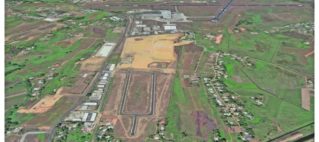
For Fiji, the pilot area focuses on the Denarau–Malolo corridor, one of the country’s most active tourism zones and an area whose reefs support both marine biodiversity and the livelihoods tied to visitor activity. Researchers and practitioners involved in the project undertook extensive reef surveys and assessments to understand the condition of coral populations, the pressures they face and the potential for restoration where damage has occurred.
Those assessments were detailed and methodical. Scientists examined everything from the proportion of hard coral to algae on the reef, the species of fish present and the reproductive capacity of coral colonies. They analysed thousands of images and videos collected from survey sites to determine which reefs show resilience and which are most vulnerable to damage.
Just as important was identifying the pressures affecting reefs in the first place. Some threats are obvious: storms and wave surges that physically break coral structures.
Others are more subtle but equally damaging, including declining water quality from sediment, coastal construction or untreated wastewater – and of course the general pollution from humans being their usual destructive and inconsiderate selves.
Tourism activity itself must also be managed responsibly. This is a reminder we actively support through awareness, training and the sharing of best practices. Anchors dropped on reefs, careless snorkelling, the consistent discarding and loss of fishing gear, or excessive boat traffic can cause damage that accumulates over time. As an industry, we cannot claim to love our reefs while allowing those practices to continue unchecked.
Yet the data gathered through the project revealed something encouraging as well.
With proper management and restoration, many reef systems still have the capacity to recover and even flourish. Controlling fishing pressure, maintaining water quality, monitoring reef health and managing visitor behaviour can significantly increase the resilience of coral ecosystems.
But resilience alone will not protect reefs from catastrophic events.
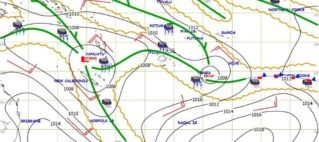
Cyclones remain one of the most destructive forces affecting coral ecosystems across the Pacific. Powerful waves and storm surges can dislodge coral colonies in minutes, scattering decades of growth across the seabed. According to the climate risk assessments presented during the workshop, windstorms and tropical cyclones are among the highest-risk hazards for reef systems in Fiji, capable of breaking coral structures and causing widespread damage.
When that happens, time is critical.
Fragments of living coral can sometimes be rescued and reattached before they die.
Debris can be cleared. Restoration teams can stabilise damaged areas. But these responses must take place quickly, often within days.
Despite my own misgivings that this might work, this is exactly where parametric insurance enters the picture.
Unlike traditional insurance, which requires lengthy assessments before payouts are made, parametric insurance is triggered automatically when a measurable event occurs. In the case of coral reefs, that event might be a cyclone reaching a certain wind speed within a defined radius, or sea surface temperatures exceeding a bleaching threshold for a sustained period.
Once that trigger is reached, the payout is released almost immediately. In the example presented for coral reef insurance, funds could be disbursed within around twenty days of the event being recorded.
Those funds can then be used for rapid response and restoration. Divers can be mobilised, coral fragments rescued, debris cleared and damaged areas stabilised while longer-term restoration plans are put in place.
The concept is straightforward. Instead of waiting for government disaster funding or donor support after a cyclone has already devastated a reef, resources are available instantly when the damage occurs.
In financial terms, the numbers are surprisingly manageable. Illustrative models for the Denarau pilot suggest that protecting a hectare of reef restoration could involve a coverage limit of around US$180,000, with annual premiums estimated between US$22,000 and US$33,000 depending on the level of coverage selected.
When compared with the economic value of reefs themselves, those figures begin to look less like costs and more like prudent investments.
Economic valuation work conducted through the project estimated that coral reefs around Denarau and the Mamanuca Islands contribute roughly US$117 million per year through tourism and coastal protection services alone.
Those reefs are effectively natural infrastructure supporting hotels, dive operators, fishing communities and coastal protection for entire shorelines. If we recognise them as such, protecting them becomes not just an environmental issue but an economic imperative.
That understanding is already beginning to take shape within the tourism industry.
Over the past year, a pilot effort led by industry partners has begun exploring how reef restoration and risk-transfer mechanisms might work in practice in Fiji. Resorts and tourism operators, many of whom depend directly on the health of surrounding reefs, have shown strong interest in contributing to protection efforts.
It is not difficult to see why. Healthy reefs mean better dive sites, vibrant marine life and shorelines protected from erosion. And let’s not forget the impact on food security for communities that depend on the sea for their livelihoods. But the Manila workshop also made something else clear. Scaling parametric insurance beyond pilot projects will require more than industry enthusiasm, which is still at a fledgling stage.
Insurance products depend on clearly defined policyholders, legal frameworks and governance structures that determine how funds are managed and distributed.
Without those structures in place, even the most innovative financial tools struggle to operate. And Pacific Island Countries are already well versed with how difficult access to climate finance is
The risk management model proposed through this project, therefore, begins with a broader framework. Reef protection must combine conservation measures, disaster preparedness and financial risk transfer through insurance.
Funding for that framework is ideally drawn from a blend of sources: tourism levies, government budgets and philanthropic or development finance.
In other words, reef protection works best when it is treated as a shared responsibility.
This is where the conversation returns to government leadership.
The tourism industry in Fiji is ready to participate in protecting the marine ecosystems that sustain it. Many operators already invest heavily in reef monitoring, marine conservation initiatives and community partnerships. If a mechanism existed to support reef insurance premiums, I have little doubt that the industry would step forward.
But if the private sector alone funds the system, then governance becomes complicated. Decisions about how restoration funds are deployed, how reefs are managed and how programmes are prioritised cannot rest solely with those paying the premiums.
Coral reefs are not private assets. They belong to the people of Fiji, to the communities that have stewarded them for generations and to the ecosystems that depend on them.
That is why any national approach must be built as a partnership between the public sector, private industry and local communities.
Government leadership is essential to establish the policy framework, the legal mechanisms and the transparency required for a programme of this scale. Tourism operators can contribute funding and practical support. Communities provide stewardship and traditional knowledge. Together, those elements create the structure needed to protect reefs effectively.
The Manila workshop demonstrated that the technical and financial tools to do this are already emerging. Scientists can identify vulnerable reefs and prioritise restoration sites. Economists can measure the value of reef ecosystems. Insurers can design products that release funding quickly after disasters.
What remains is the collective decision and a good measure of political vision to use those tools.
Parametric insurance will not save reefs on its own. But as part of a wider strategy that includes conservation, restoration and responsible tourism practices, it represents a powerful new mechanism for protecting one of the Pacific’s most important natural assets.
For Fiji, the next frontier in reef protection may well lie in recognising that these ecosystems are not just beautiful, but invaluable. And like any asset that underpins an entire economy, they deserve to be protected with every tool at our disposal.
Fantasha Lockington – CEO, FHTA (Published in the Fiji Times on 26 March 2026)

Fiji Hotel and Tourism Association
The Voice of the Industry